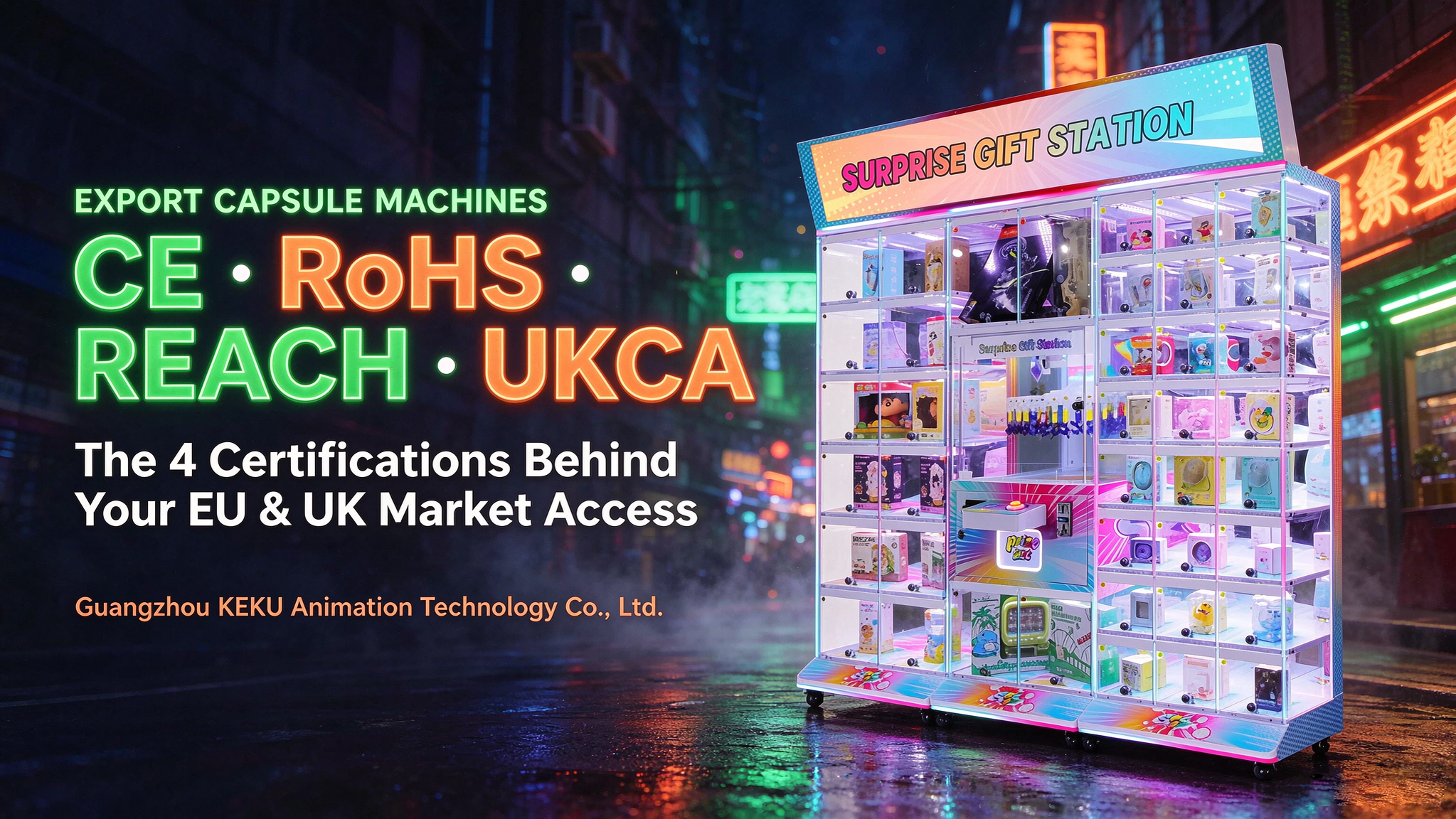
Export capsule machines
Introduction
As capsule machine sales grow from small sample orders to full-container shipments covering several EU nations and the UK, relying merely on one test report or a few verbal promises from suppliers carries substantial compliance risk. Capsule machines combine two identities — electronic and electrical equipment and plastic toys — so missing even one certificate can get the goods held at customs. A clearly mapped CE, RoHS, REACH and UKCA compliance route, backed by an original factory of trendy-toy capsule machines that designs compliance straight into the machine structure, is what lets you stay in the European market for the long run.
Guangzhou KEKU Animation Technology Co., Ltd. (KEKU TECH) entered the amusement-equipment industry with its core team in 2008, completed formal registration in 2015, and was recognised as a national high-tech enterprise in 2025; it holds 54 patents across capsule machines, claw machines and token-exchange machines. When certification demands design changes, our team redraws its own engineering drawings instead of waiting on outside suppliers — the most fundamental difference between self-developing capsule machine manufacturers and assembly-style workshops.
1.Core Implications and Distinctions for KEKU TECH, an Export capsule machine manufacturer
1.EU CE certification:
the EU market-access passport for whole-machine safety CE is not a single certificate; it is the compliance mark through which a manufacturer self-declares that the product meets several EU directives. For custom capsule machinesthe assessment centres on electrical safety, electromagnetic compatibility and mechanical-structure safety. With the CE mark, units can circulate across the 27 EU member states plus the European Economic Area (Iceland, Norway and Liechtenstein); technical files and a signed Declaration of Conformity (DoC) are required, and higher-risk categories call for an EU notified body. Without valid EU CE certification, regulated whole machines cannot clear customs or go on sale.
2.RoHS Directive:
hazardous-substance limits for electrical and electronic goods Coin acceptors, main control boards, motors, LED strips and display screens on capsule machines are all electrical and electronic parts, and RoHS testing for capsule machinescaps ten substances in homogeneous materials, including lead, cadmium, mercury, hexavalent chromium, polybrominated biphenyls and phthalates. RoHS carries no separate mark, yet it must be met in full at the same time as CE. Many factories test only the assembled machine and overlook small parts such as wiring harnesses, push-buttons and acrylic bases, which is exactly what fails during spot checks.
3.REACH Regulation:
chemical control covering almost every product category REACH covers practically all goods shipped to the EU. On capsule machines it governs ABS housings, acrylic domes, PVC labels, screen-printing inks and plastic capsule shells, focusing on SVHC substances of very high concern; once a threshold is passed, information transfer and notification duties apply, and no specific labelling is required. Doing RoHS while skipping SVHC is the most common compliance gap in custom capsule machinesexports.
4.UKCA Certification:
the United Kingdom’s own market-access mark After Brexit, England, Wales and Scotland no longer recognise CE and require the UKCA mark, while Northern Ireland still follows EU CE rules. Most technical standards align with CE, yet UKCA is a separate British compliance system: higher-risk products need assessment by a UK-approved body and a standalone British Declaration of Conformity, and EU reports cannot be substituted.
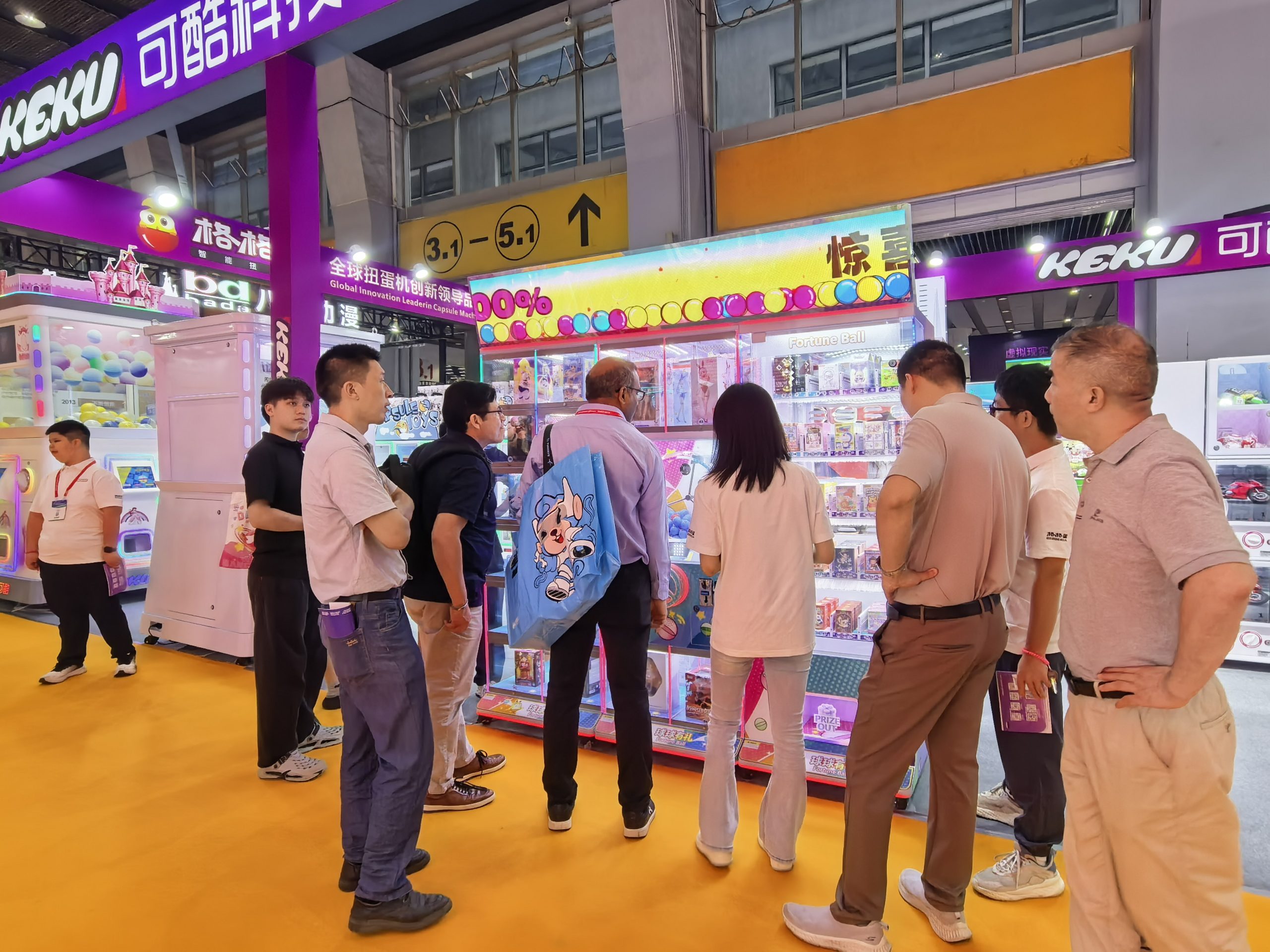
Export Oriented Gift Machine
2.Core Implications and Advantages for Capsule machine distributorsand Gift-location operators
1.Separate compliance by market:
when you supply several EU countries at once, EU buyers receive the full CE package and UK buyers receive the UKCA package. Selling one set of reports across all of Europe is risky — if a UK end user is inspected, liability runs straight back down the export capsule machinesorder.
2.Screen compliance before selecting products to cut after-sales losses:
a capsule machine is a dual compliance object — the machine plus the toys inside the capsules. Before ordering, ask for the whole-machine CE files, RoHS for electronic parts, REACH for plastic parts and toy-safety testing for the capsule toys; far cheaper than being delisted by a platform or returned by a retail chain after shipment.
3.Tell certificates apart from test reports to avoid supplier misinformation:
RoHS and REACH are test reports, not CE certificates; CE and UKCA are market-access marks, and reports are only supporting evidence. Never treat one RoHS report as complete EU market-access qualification.
4.Source-factory supply and export customisation:
KEKU operates its own production base, covering standalone and multi-unit linked capsule machines such as the Gegedan 4.0 / 5.0 / 6.0 series, the KEKU Baby claw-machine series, token-exchange machines, and the “Yu Jian Chao” trendy-toy doll-house operating package. Voltage, currency, coin and QR-code payment methods and panel language can be configured per export market, with OEM/ODM branding available. The company holds goods and technology import-export qualifications, and can keep pace on long-run capacity plus spare-parts after-sales support.
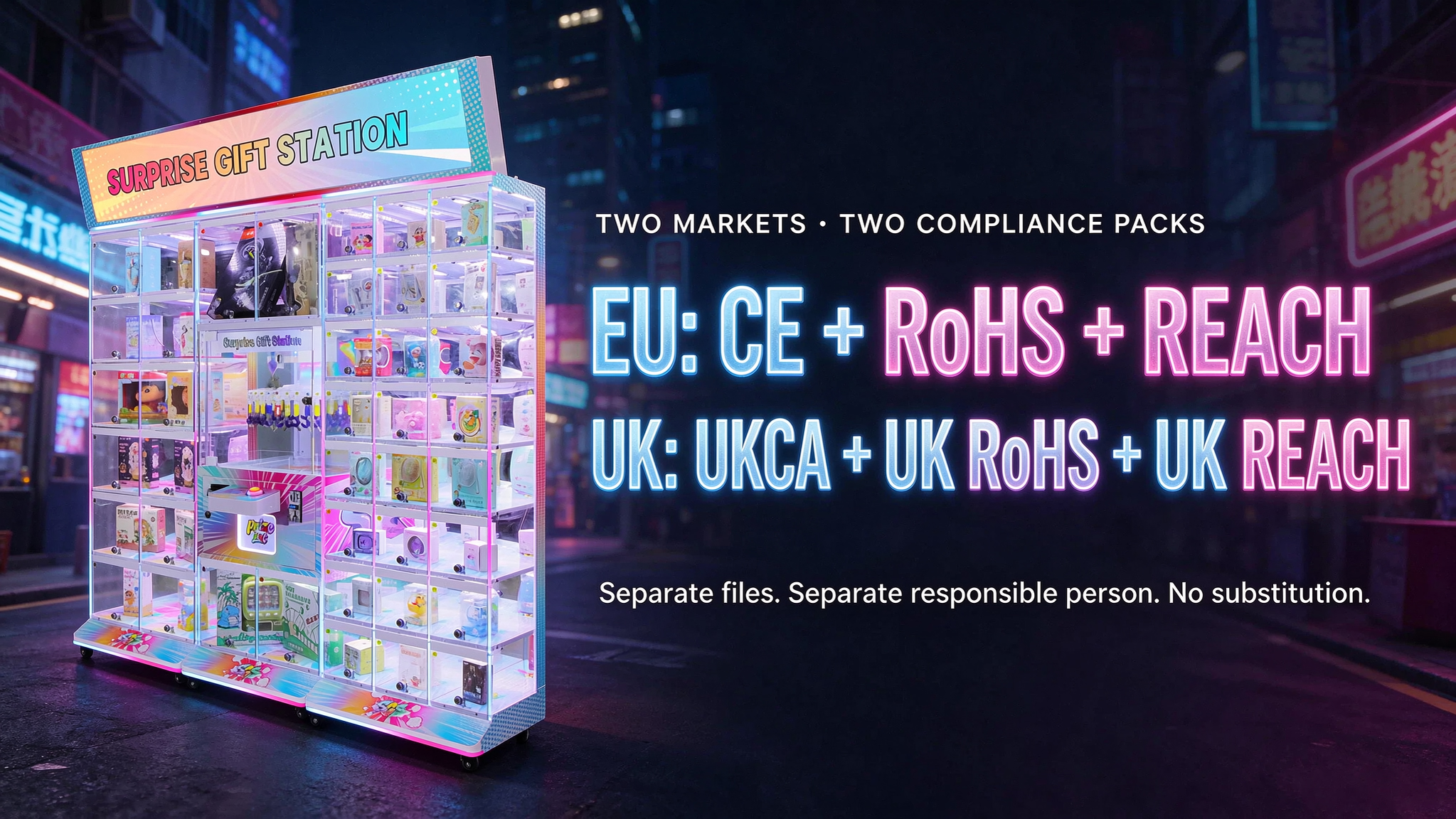
original factory of trendy-toy capsule machines
3.Can Export capsule machinesBe Legally Launched in Europe?
1.Mind the geographic boundaries and never mix CE with UKCA: CE is mandatory across the 27 EU states plus Iceland, Norway and Liechtenstein; Great Britain requires UKCA and CE gives no access there; Northern Ireland follows the EU CE system.
2.Separate the regulated objects so nothing is missed: CE governs whole-machine safety; RoHS covers only electrical and electronic parts; REACH governs SVHC in plastics, inks and labels; UKCA governs whole-machine access into Britain. In addition, the small toys inside capsules are independent products and must be assessed separately under toy-safety requirements (the EN 71 series) — this is the point most easily “carried along” by the whole-machine report and most likely to cause trouble later.
3.Keep documentation and appoint an in-territory responsible person: technical files, test reports and declarations of conformity are generally retained for ten years and can be requested by regulators at any time; non-EU companies must appoint an EU-based responsible person, and UK exports require a UK-based responsible person, otherwise the products may not be sold.
4.Check the qualifications of labs and certification bodies: higher-risk categories need an EU notified body for CE and a UK Approved Body for UKCA; ordinary products may self-declare, but the laboratory must hold the corresponding accreditation — reports without it are ruled invalid in spot checks. Germany, France and others also impose extra duties such as EPR packaging-recycling registration, which must be handled separately.
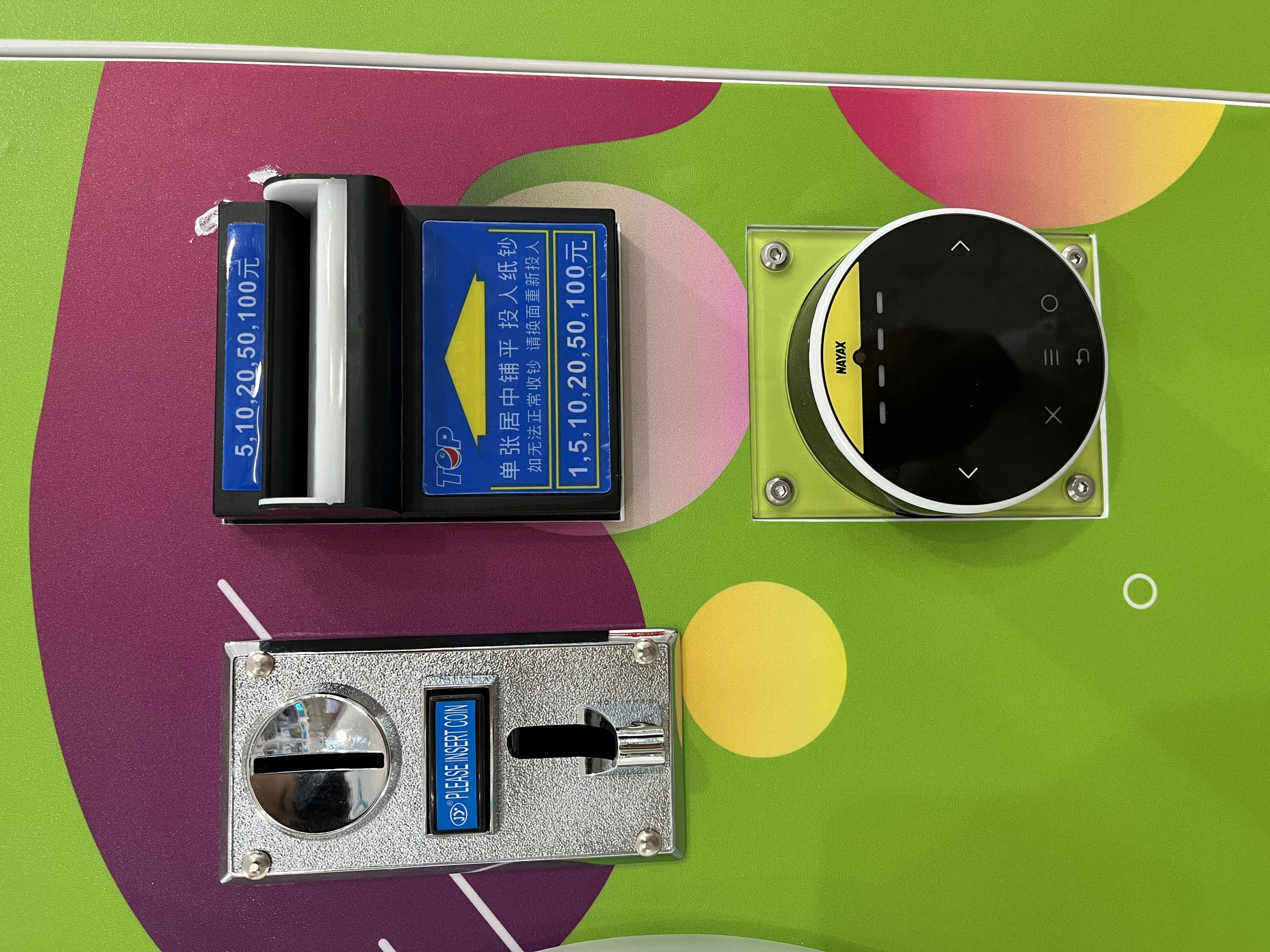
Capsule machine payment system
Frequently Asked Questions
Q1: If a capsule machine has CE certification, are RoHS and REACH automatically satisfied?
A: No. CE is a whole-machine market-access mark, RoHS is only one of its directives, and REACH is a standalone chemical regulation. CE does not mean the SVHC work under REACH is done; the three must each be covered and each filed.
Q2: Can an EU CE report be used directly as UKCA for the UK?
A: No direct substitution. UKCA belongs to a separate British regulatory system: higher-risk products must be assessed by a UK-approved body with a British version of the Declaration of Conformity, and even low-risk products can only follow the UK transition rules.
Q3: Do the small toys inside capsule machines need separate certification?
A: Yes. The toys inside capsules are assessed separately as toy products, involving toy-safety testing (the EN 71 series) and the relevant REACH restrictions; they form a second set of documents from whole-machine CE and cannot be merged.
Q4: Selling to both the EU and the UK, how many sets of compliance documents are needed?
A: Two sets — one for the EU (CE + RoHS + REACH), one for the UK (UKCA + UK RoHS + UK REACH), each with its own signed Declaration of Conformity and in-territory responsible-person information. KEKU can supply BOM lists, material declarations and sample machines for certification.
