
bulk purchase of capsule machine
Introduction When overseas distributors make their first bulk purchaes of capsule machine, they are easily attracted by low-priced equipment, only to find upon arrival that the mainboards are outdated, the machine bodies are prone to rust, there is no supporting after-sales service, and the gift supply chain is lacking, resulting in overall operating costs far exceeding the price difference. This article analyzes the procurement pitfalls from four dimensions: hardware, customization, after-sales service, and delivery, aiming to help importers select reliable capsule toy machine manufacturers and avoid inferior equipment.
1.Hardware Traps: Three Hidden Flaws of Low-End Devices
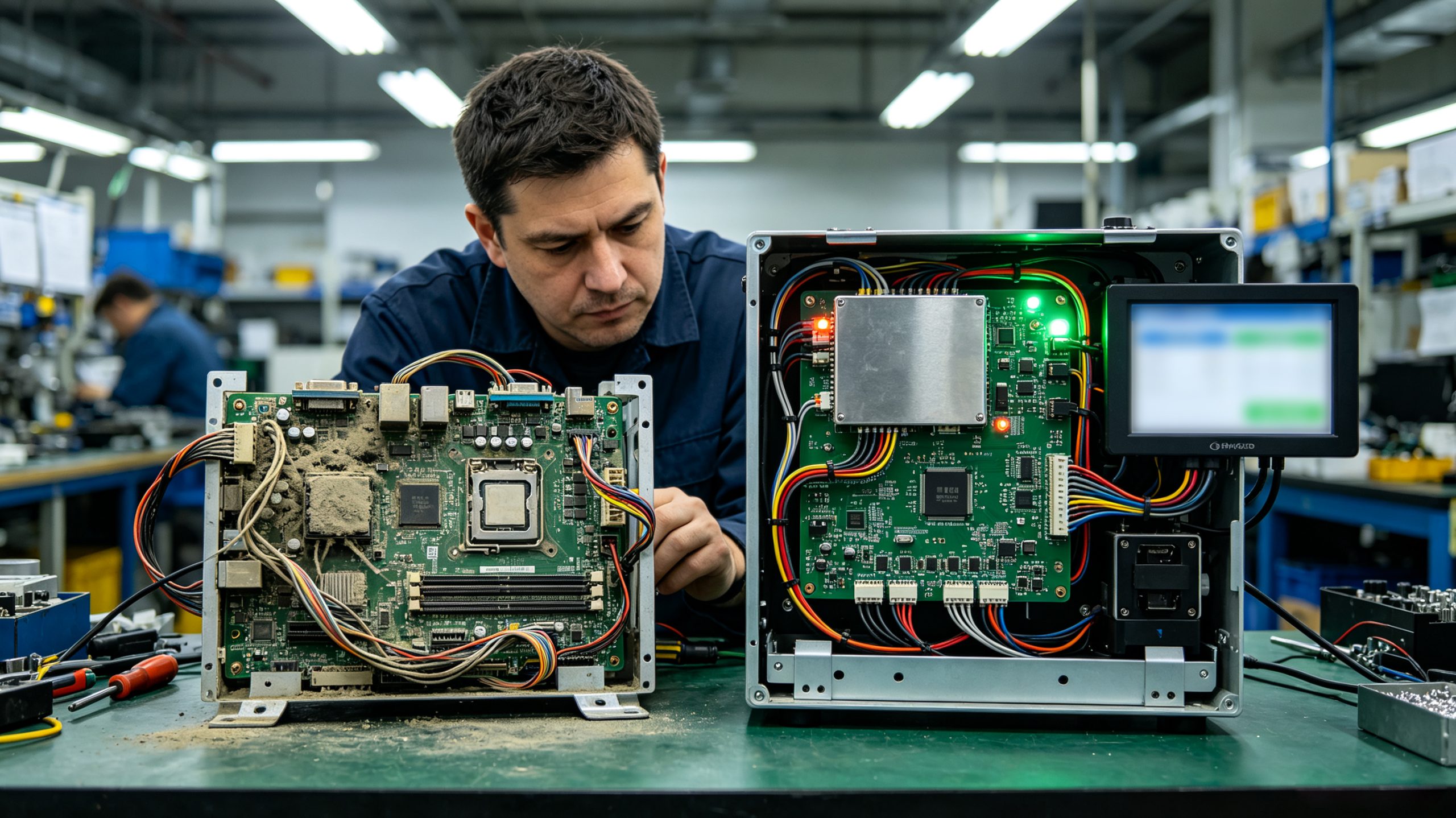
1.Non-self-developed standard motherboard, without remote backend functionality, cannot be upgraded in the future
Low-cost generic motherboards do not support big data management or remote parameter configuration, and deploying multiple devices requires offline, individual debugging, resulting in very low operational efficiency for chain locations. KEKU TECH‘s full range of smart capsule machines is equipped with self-developed independent motherboards, with lifetime free backend upgrades.!
2.The thin sheet metal body has no anti-rust treatment and will rust and become unusable in a short period at coastal tourist areas.
Southeast Asian coastal cultural and tourism projects are prone to corrosion if left unused for long periods. Thin devices often show rust within half a year, and the costs of maintenance and replacement far exceed the price difference of procurement.
3.The simple cargo channel has a design without rounded corners, causing frequent capsulejams and increased operational and maintenance costs.
Low cost machines have sharp edges in the cargo lanes, causing the capsule toys to get stuck easily, and frequent disassembly for maintenance consumes a great deal of labor. In contrast, all multi compartment capsule machines produced by KEKU TECH use integrally molded smooth compartments, reducing the probability of capsule jams.
2.Customization and After-Sales Traps: Small OEM Factories Lack Supporting Services
1.Verbal promises of appearance customization cannot actually modify the LOGO or the screen display.
Small factories without their own molds can only replace body stickers and cannot perform in-depth body mold customization. Reputable capsule machine manufacturers support fully customizable capsule machine services, allowing independent mold creation for body color, patterns, and dynamic screen content.
2.No global remote after-sales service; equipment malfunctions can only be repaired by returning them offline.
Most suppliers only offer domestic on-site repairs, and for overseas equipment malfunctions, the entire machine must be sent back, resulting in extremely high shipping and time costs. However, the GERGERDA Smart Capsule Machine produced by KeKu TECH supports online remote fault alerts and remote debugging, providing cross-border after-sales service with zero logistics costs.
3.After-sales parts are sold at increased prices, and the cost of subsequent maintenance continues to rise.
The original manufacturer provides a 36-month warranty for the complete machine, during which the motor, screen, and payment module components are replaced free of charge. For low-priced equipment without a warranty, components are sold separately at a high price, effectively increasing the total long-term operating costs.
3.Supply Chain and Delivery Pitfalls
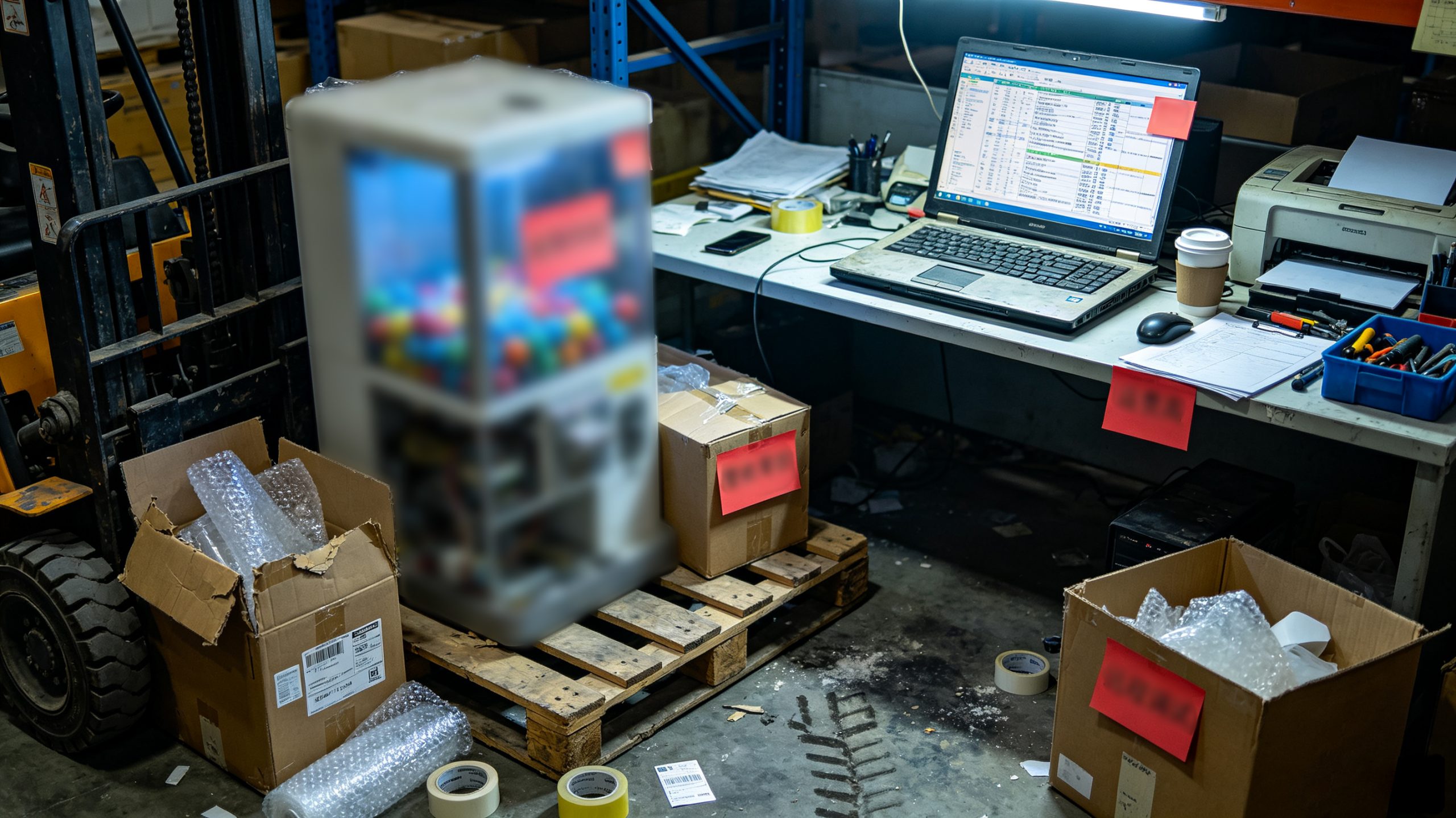
1.No stable spot inventory; bulk orders have indefinite delivery delays.
Small-scale processing factories have insufficient production capacity, making it impossible to guarantee delivery times for large-batch capsule machine wholesale orders. However, KEKU TECH has its own large-scale production workshop, with standard models shipped within 7-15 days and customized models with clearly defined production timelines included in the purchase contract.
2.Without a supporting gift supply chain, merchants face doubled costs when purchasing gifts individually.
Many capsule machine manufacturers on the market only sell the machines themselves, without providing a stable supply channel for capsule prizes. After purchasing the machines, merchants often encounter difficulties such as supply shortages, inconsistent toy quality, and high costs for small-quantity purchases.
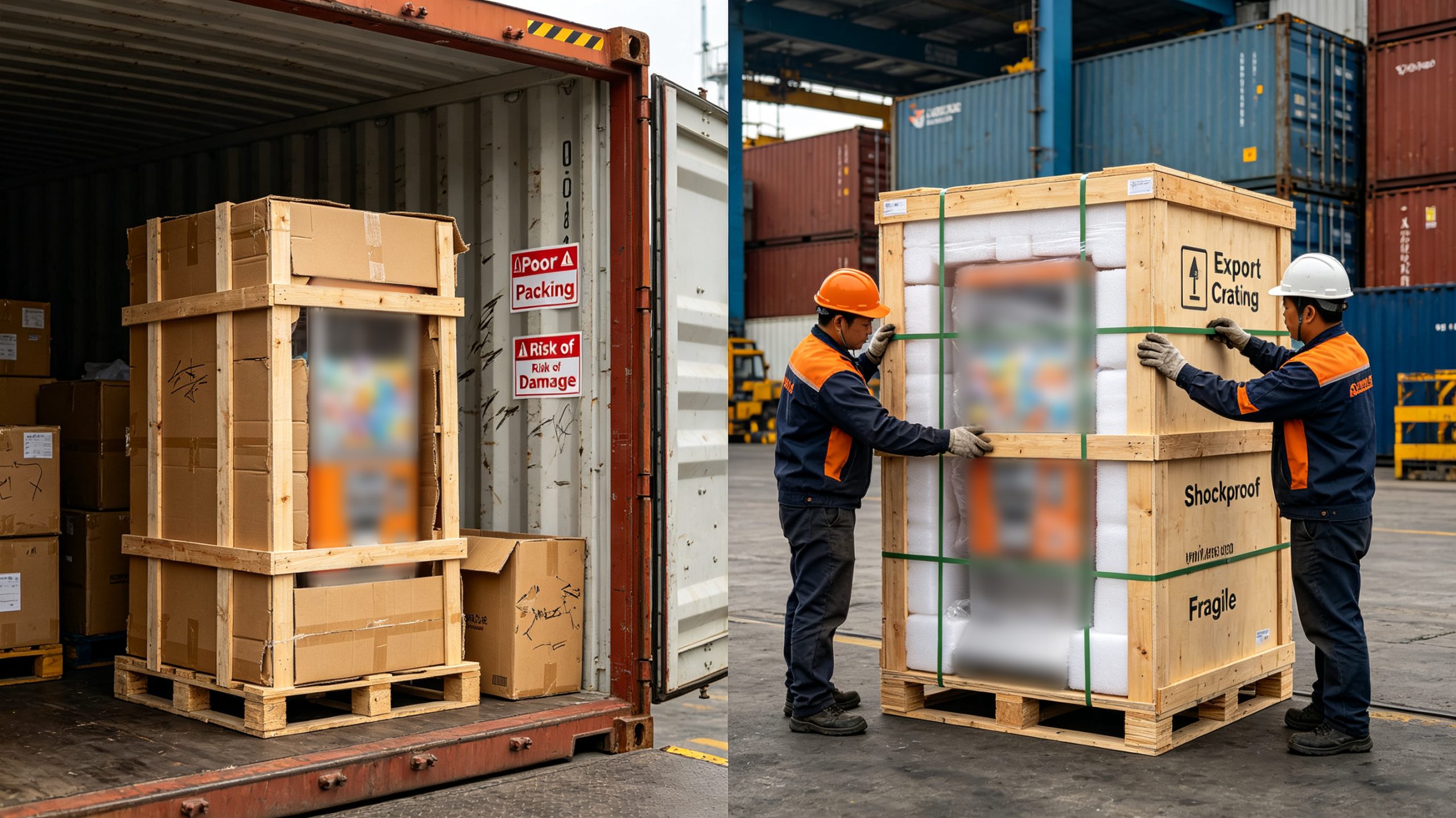
3.Export packaging reinforcement is not provided, making it prone to bumps and damage during transportation.
Many shipments use simple cardboard boxes for bare packing or basic wooden frames. After long-distance sea transport across oceans and multiple transfers and handling, the equipment is highly susceptible to external damage such as scratches on the casing or dents and deformation of the screen by the time it reaches overseas stores. Shopping malls and chain stores have strict requirements for the appearance of equipment, and damaged machines cannot be displayed or put into normal operation, directly delaying store openings and generating substantial additional costs for repairs, returns, and exchanges.
Frequently Asked Questions
1:Is there a significant difference between low-cost reference motherboards and self-developed motherboards? Does it affect overseas chain operations?
The differences are significant. Low-cost public versions lack remote back-end management, do not support batch pricing adjustments, cannot undergo system upgrades, and for multiple chain stores, each unit must be debugged offline. In contrast, KEKU’s self-developed motherboard supports global remote management and offers lifetime free system updates, greatly reducing labor costs for chain operations.
2:How should we handle equipment that is prone to rust when purchasing in coastal or humid areas of Southeast Asia?
Inferior thin iron sheets without anti-rust coating will rust and become unusable within half a year in humid environments. Our complete machine features a thickened, anti-rust metal body, suitable for coastal areas and rainforest tourism sites, and can be deployed outdoors for long periods without easily corroding.
3:Bulk Purchase of Capsule Machines, do you provide reinforced packaging for sea transport? Who is responsible for any damage during transit?
The entire machine is independently protected with foam. It is fixed on a solid wood fumigation frame, and accessories are separated in boxes to prevent scratches. Standardized sea freight packaging significantly reduces collisions and damage. Factory-provided photos of the packed items are available, and in case of transport damage, assistance with logistics claims can be provided.
