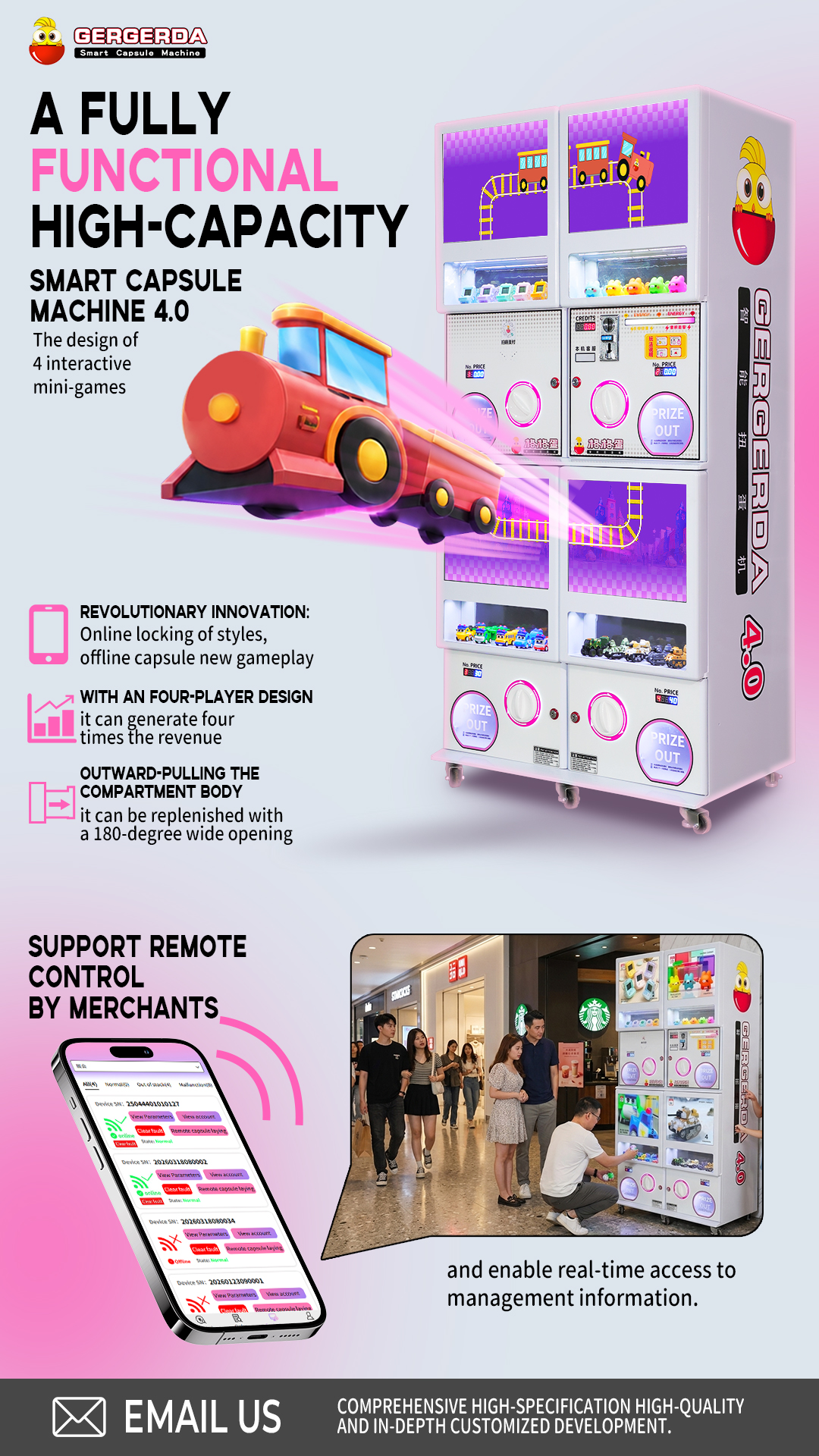
A fully functional high-capacity smart capsule machine with modern design, remote management, and multi-payment support.
Preface
The global capsule machine market continues to grow, with many importers from Europe, America, Southeast Asia, and the Middle East shifting their procurement focus to the Chinese supply chain. However, the market is mixed with trading intermediaries, small workshops, and assembly factories without independent R&D capabilities. Many wholesalers face issues such as unstable quality control, unresponsive after-sales service, inability to obtain export certification, and lack of customization capabilities after purchasing in bulk, leading to losses on single large orders and missed market distribution windows. KEKU TECH, from the perspective of overseas channel wholesalers, categorizes four types of Chinese capsule machine suppliers, dissects the rigid standards of source manufacturing factories, and provides a full-process solution for reducing costs in bulk procurement and avoiding procurement risks, helping buyers secure long-term, stable cooperation with Chinese Capsule Machine Manufacturerin one step.
1.Global Capsule Machine Market: Why Overseas Wholesalers Prefer the Chinese Capsule Machine Manufacturer
1.Advantage of a Complete Vertical Industry Chain
Domestically, we have an acrylic casing, metal chassis, self-developed motherboard, multi-currency payment module, motor, and a complete supply chain for gifts and toys. The components for the whole machine are procured locally, eliminating the need to piece together parts from multiple countries. Production lead times are stable, and the overall procurement cost is 40%-60% lower than that of other local capsule machines manufacturers. Whether it is a trial order of 10 units or a full container export of 500 units, we can quickly assemble the complete machines along with spare parts.
2.The speed of intelligent iteration is ahead of local manufacturers
Most local capsule machines are traditional mechanical models with only basic coin operation functions. KEKU TECH ‘s capsule machines are developed in-house by the source factory with smart control boards, supporting 4G/WIFI dual-mode networking, remote backend management, multi-level profit sharing, multiple payment compatibility, and are adaptable to the global unmanned retail digital operation needs, making them the core supply for overseas operators to upgrade their equipment.
3.Mature OEM/ODM customization system
Local brand owners and chain supermarket enterprises require customization of appearances, logos, system backends, and warehouse structures. China KEKU TECH ‘s factory can provide one-stop services including appearance design, mold opening, software modifications, and mass production of complete machines. The threshold for customization by overseas local manufacturers is high, with expensive mold costs and cycles lasting several months.
4.Comprehensive export support services
The established source factory possesses full export certifications including CE, FCC, and RoHS, and can assist in providing export customs documentation. It is compatible with various national voltages, offers customized reinforced packaging for export, and is familiar with sea and air shipping logistics processes, thereby reducing the transport loss risks for importers.
2.Comparison of the Advantages and Disadvantages of the Four Types of Domestic capsule Machine Suppliers, with Buyers Selecting According to Their Needs
1.Pure trading company
Advantages: Convenient integration, capable of consolidating supply from multiple factories
Disadvantages: No proprietary production line, no hardware R&D team, unable to perform deep customization; after-sales support relies on OEMs; bulk procurement incurs a 15%-30% markup; no remote technical diagnostics capability, making it difficult to quickly resolve equipment failures during export. Suitable for small, sporadic trial purchases of up to five units, not suitable for long-term bulk export cooperation.
2.Small-Scale Assembly and Processing Plant
Advantage: Extremely low unit price
Disadvantages: No self-developed motherboard, relying on standard public motherboards, with unoptimized circuitry, which may lead to network disconnections, data loss, and high failure rates over prolonged use. Lacking a professional quality inspection process, with the casing and motor parts purchased from miscellaneous brands, no export certification, and unable to be exported compliantly; suitable only for local, short-term, low-cost bulk orders.
3.Traditional Mechanical capsule Machine Factory
Advantage: Mature mechanical structure
Disadvantages: There is no software development team, and only purely mechanical, non-networked devices are produced. They cannot connect to an intelligent backend, support remote management, or enable online payments, falling behind the global trend of intelligent unmanned retail. This is only suitable for small convenience store locations with no digitalization requirements.
4.Original Manufacturing Factory of Smart Devices
KEKU TECH has its own hardware R&D workshop, motherboard development team, complete production line, and comprehensive quality inspection laboratory. Our self-developed intelligent motherboards can receive lifetime cloud-based upgrades. We support full-process OEM/ODM customization and possess a complete set of export compliance certifications. With our in-house after-sales technical team, we provide global remote device debugging and troubleshooting. Bulk purchasing is offered without middleman markups, with ready stock to shorten delivery times, compatible with full-container exports for importers, nationwide wholesale channels, and long-term designated procurement for chain brands.
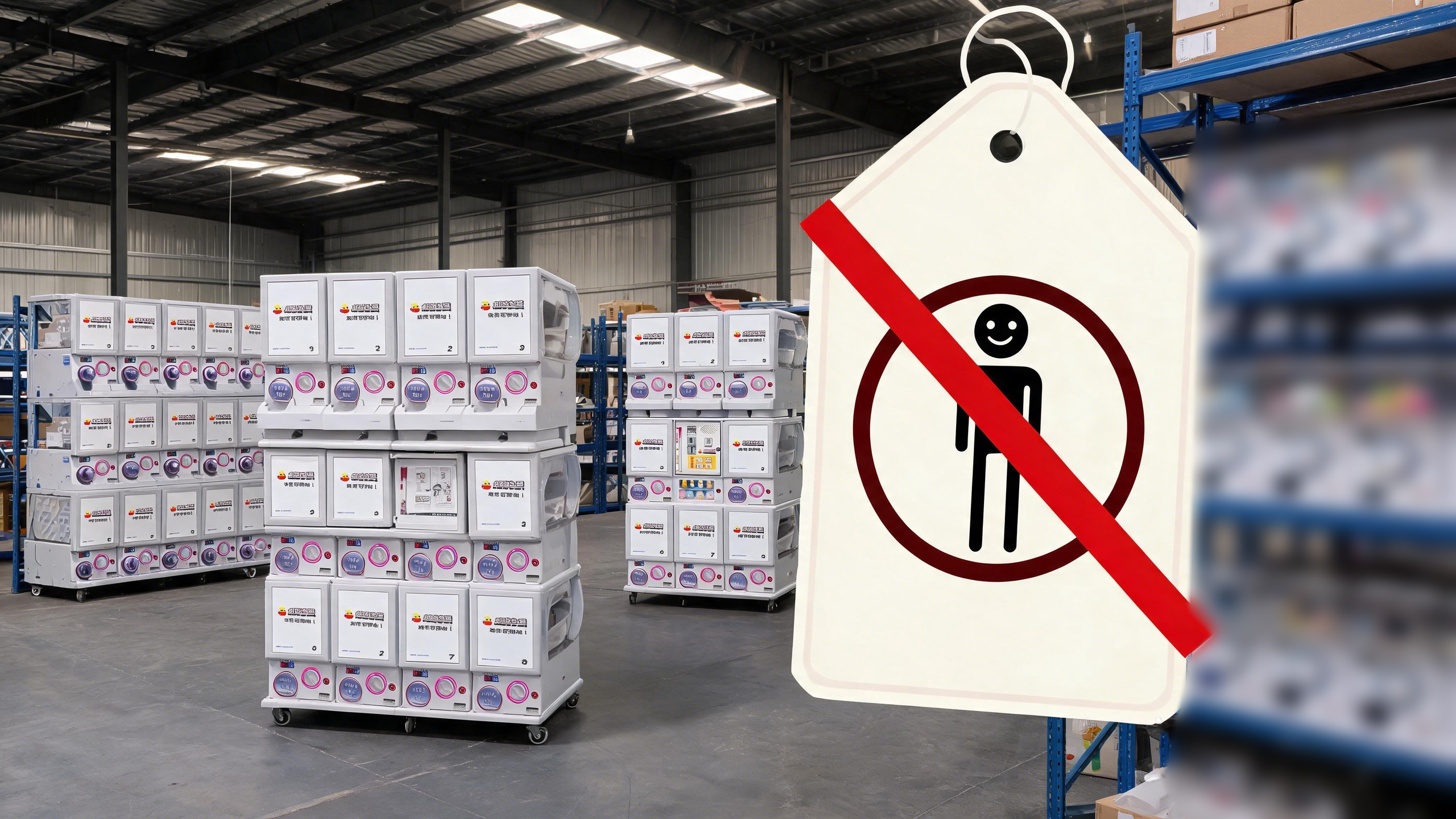
Mass inventory of completed smart capsule machines stored in factory warehouse, highlighting direct manufacturer supply without intermediary markup.
3.Six Core Assessment Criteria for Wholesalers to Select Reliable Chinese capsule Machine Manufacturer.
1.Production Capacity and Delivery Capability
Buyers need to verify the factory’s workshop area, monthly production capacity, and commonly stocked machine models. For suppliers exporting full containers overseas, the monthly production capacity should be at least 500 units, with conventional standard models delivered within 7-15 days and customized ODM models within 20-35 days. It is also necessary to confirm whether there is independent warehousing, and whether stable supply can be guaranteed during peak seasons, to avoid stockouts and delays in market deployment during high-demand periods.
2.In-House Hardware Development and Stability of the Product
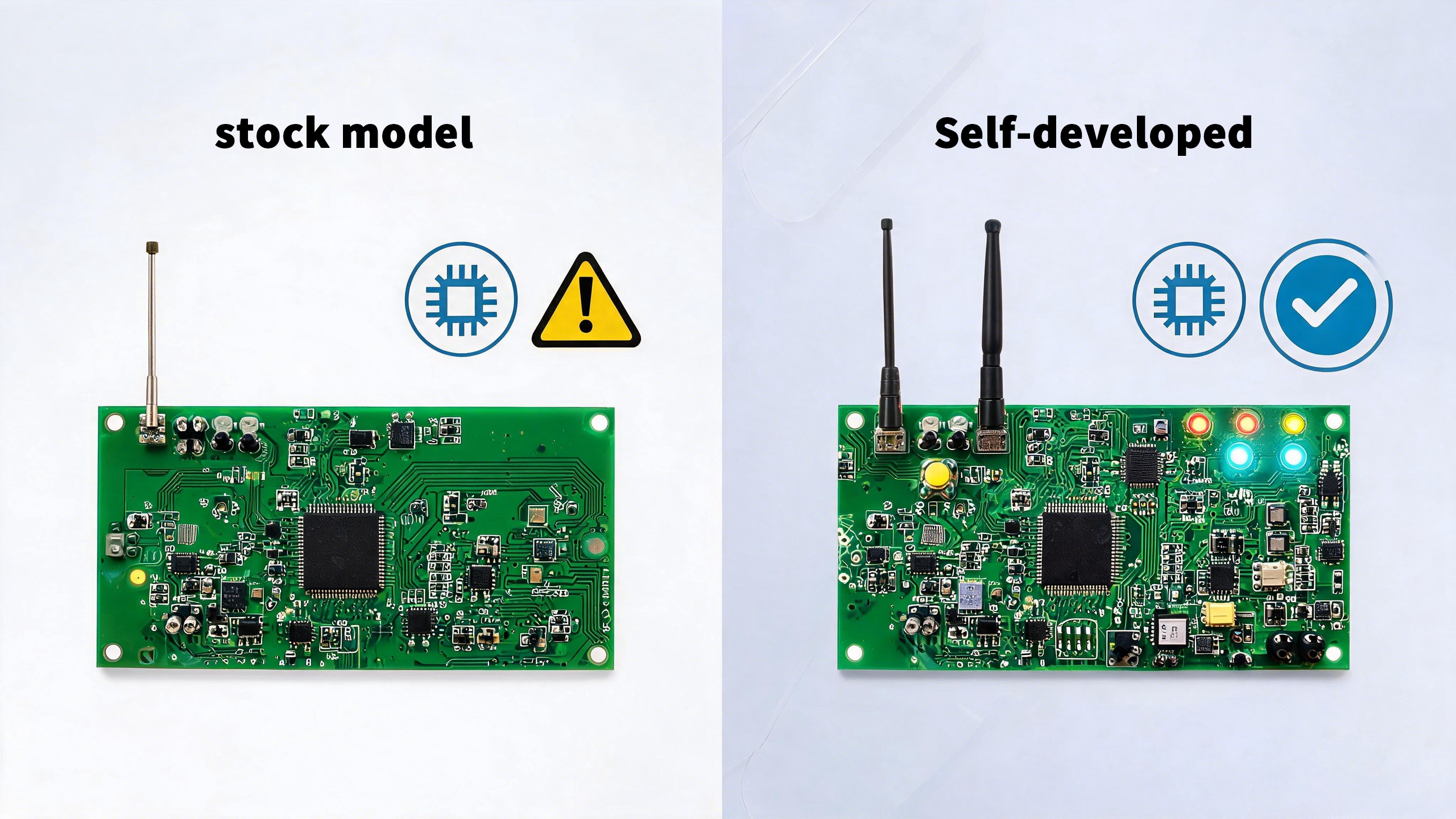
Distinguishing Between Reference Motherboards and Self-Developed Motherboards: Reference motherboards have no local data storage, operate on a single network, and lack independent fault detection. Self-developed motherboards feature dual networks with 4G and Wi-Fi, an independent revenue-sharing computing chip, hardware self-check and warning functionality, and low-power circuits, reducing the failure rate by 70% for long-term deployment in remote overseas locations. During procurement, manufacturers are required to provide motherboard schematics, hardware test reports, and case studies of long-term overseas deployments.
3.OEM/ODM Customization Support Capabilities
Verify whether there is an in-house industrial design team, mold workshop, and software development department, and whether they can independently complete tasks such as appearance color changes, LOGO silk-screening, overall structural adjustments, privatized backend system branding, and multilingual backend development. Pure assembly factories can only perform basic LOGO silk-screening and cannot modify the device’s underlying programs, and thus cannot meet the differentiated competition needs of brand owners.
4.Global Export Compliance Certification Qualifications
Exports to the European Union must have CE certification, to North America FCC, to Australia SAA, and to Russia EAC. Before cooperating, buyers should request the full set of certification reports and the product conformity declaration. Equipment without certification may incur huge fines, and imported stock may be completely blocked, causing significant economic losses.
5.Global After-Sales Technical Support System
Overseas procurement involves long distances, and offline maintenance costs are extremely high. Priority should be given to manufacturers that provide remote backend diagnostics, online video tutorials, multilingual operation manuals, and matching bulk spare parts. Inquire about the warranty period (recommend ≥24 months for the motherboard and 12 months for the complete machine), the dispatch time for replacement parts, and the assignment of a dedicated contact for cross-border after-sales service.
6.Bulk Purchase Pricing and Cost Control Plan
The source factory supports tiered pricing: price reductions are applied for 10, 50, 100, and 500 units. Long-term annual framework procurement is subject to additional negotiation, with matching capsule gifts and bundled discounts on payment modules provided. Intermediaries do not offer tiered pricing; the price difference between small and large quantities is minimal, and long-term procurement costs are higher.
4.Four Core Reasons Why KEKU TECH Capsule Machine Source Factory Is More Suitable for Bulk Purchases by Overseas Wholesalers
1.No middleman mark-up; both complete machines and accessories are offered at uniform factory prices, and long-term large-scale procurement significantly reduces overall costs.
2.Integrated hardware and software developed in-house; equipment upgrades and iterations require no additional fees, whereas modifying off-the-shelf equipment incurs high hardware costs.
3.Can be deeply customized to create proprietary differentiated products, avoiding market homogenization and low-price competition.
4.Stable technical after-sales service; after deploying bulk equipment in multiple countries, unified online operation and maintenance reduces offline on-site repair expenses.
5.Practical Plan for Reducing Overall Costs through Bulk Purchase of Capsule Machines
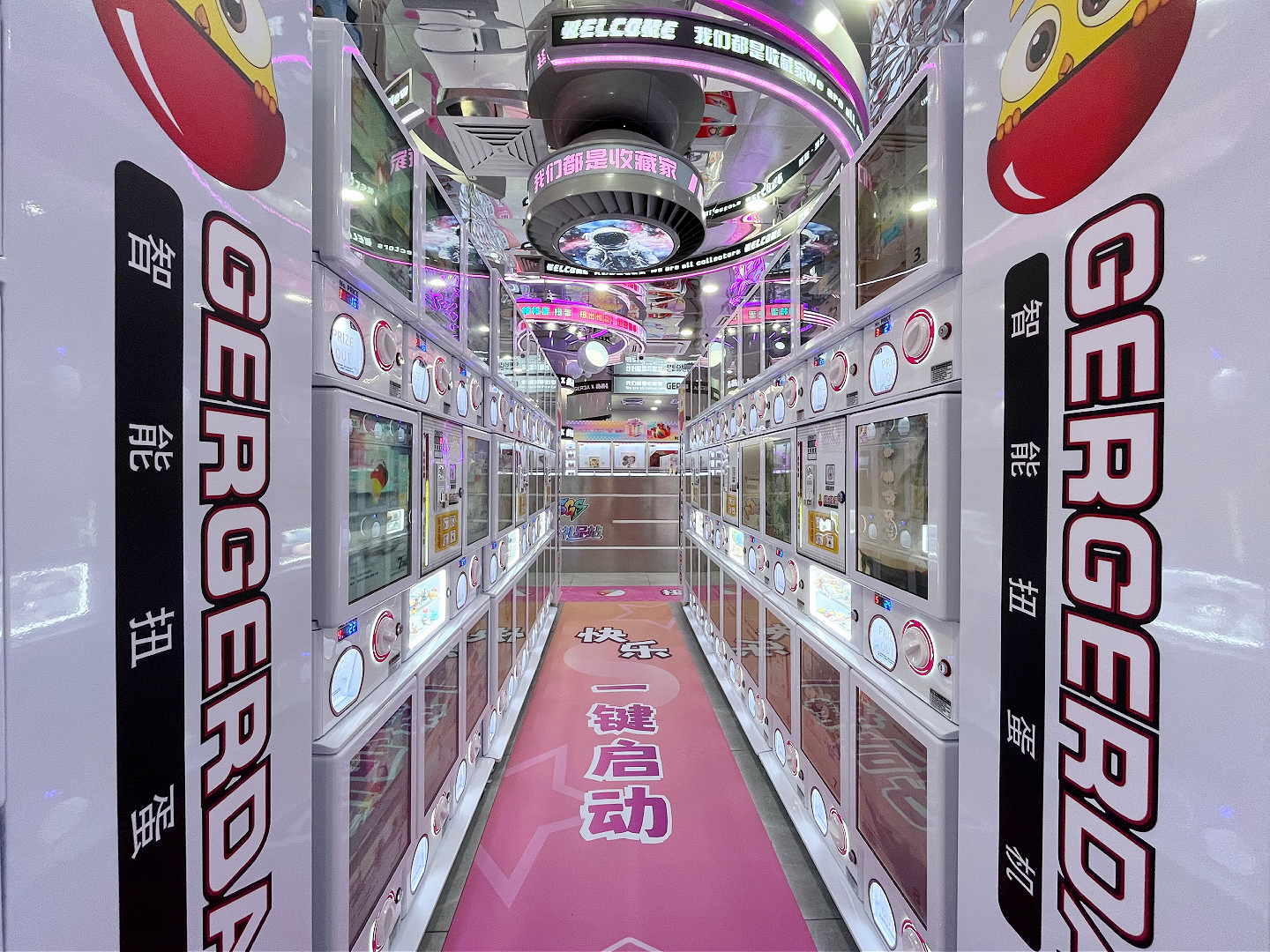
1.Standardized Model Bulk Stocking: Regular commercial smart capsule machines and multi-slot capsule cabinets maintain a stock of standard models, purchasing entire cabinets at once to dilute logistics and packaging costs per unit.
2.Annual Framework Cooperation to Lock Prices: Sign an annual procurement agreement to lock in raw material prices for the year, avoiding cost increases due to rising prices of metals and chips.
3.Unified Procurement of Supporting Accessories: Simultaneously procure coin acceptors, scanning modules, motors, screens, and other vulnerable accessories, as separate procurement would increase single-item costs by 30%.
4.Unified Export Packaging Solution: Custom-thickened fumigation export wooden boxes from the source factory reduce damage during sea transport, saving overseas repair and return logistics costs.
6.Three Steps to Quickly Determine Whether a Capsule Machine Manufacturer Has Long-Term Cooperation Value
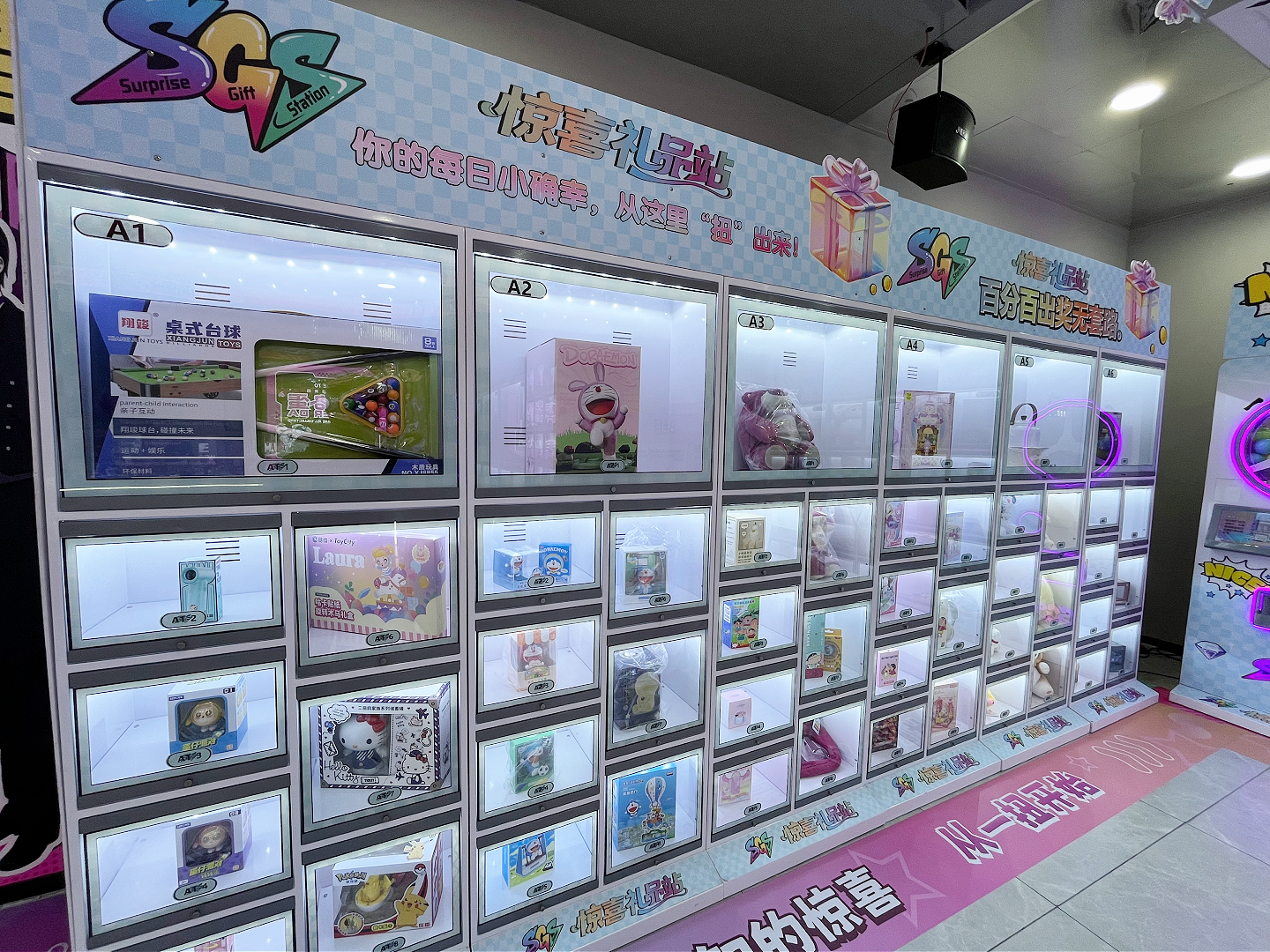
1.Case Verification: Request collaboration videos from overseas importers in the same region, on-site footage of overseas locations, and records of batch shipment and packaging.
2.Sample Testing: Purchase 5-10 sample units for 7-day testing, simulate network disconnection, run continuously for 24 hours, conduct multiple concurrent transactions, test data storage, network switching, and fault alert functions.
3.Qualification Verification: Check the factory’s business license, full set of export certifications, essential self-developed mainboards; devices without patents are assembled from standard off-the-shelf components.
Conclusion
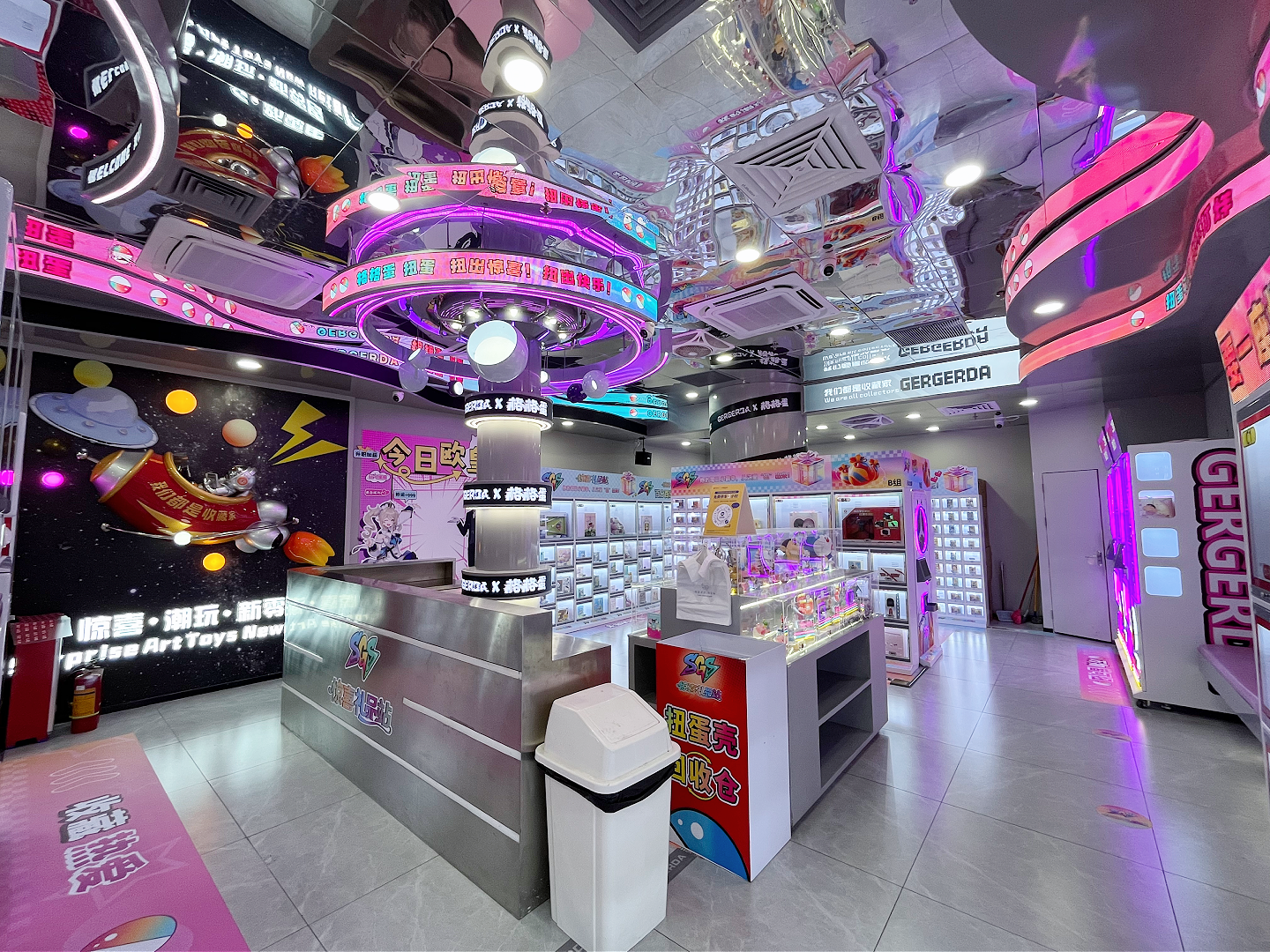
The core demands of overseas wholesalers when purchasing capsule toy machines are stable supply, long-term low failure rates, compliant export, customization options, and comprehensive after-sales service. Simply comparing unit prices can easily fall into the procurement trap of low-priced assembly factories, which may save costs in the short term but result in high repair expenses, withheld shipments, and unsold inventory losses in the long term. Priority should be given to Chinese capsule toy machine manufacturers that have independently developed hardware and software, their own production lines, and full export qualifications, as only such sources can support large-scale deployment across multiple countries and ensure stable channel profits.
Frequently Asked Questions
1: When bulk purchasing capsule machines, how can one quickly distinguish between the original factories and small assembly workshops or trading intermediaries?
Answer:The core is quickly identified through three points:
1.Qualification verification: The source factory possesses a business license, independently developed motherboards, and a full set of export certifications, whereas workshops and intermediaries have no self-developed patents.
2.Hardware differences: The source factory uses self-developed 4G Wi-Fi dual-mode motherboards with data storage and fault warning features, while assembly factories use standard universal motherboards, leading to higher failure rates and no after-sales upgrades.
3.Production capacity and delivery: The legitimate source factory has a monthly production capacity of over 500 units and maintains regular stock, whereas intermediaries have no production lines and small workshops have unstable capacity, making stock shortages common during peak seasons. Additionally, overseas bulk shipment records and real-case photos of overseas locations can be requested for further verification.
2: What are the most common purchasing pitfalls for overseas wholesalers buying capsule machines in bulk?
Answer:The biggest trap is solely pursuing low prices and choosing equipment from small assembly factories that have no independent research or certifications. Such equipment may seem cheap to procure, but it carries three major core risks: no export compliance certifications such as CE or FCC, making the goods prone to customs seizure and generating huge fines; poor stability of generic motherboards, resulting in frequent network interruptions and data loss when deployed overseas for long-term use, as well as frequent after-sales failures; no dedicated after-sales team, leading to loss of contact and parts shortages after bulk shipments, ultimately causing large-scale equipment downtime, returns from downstream customers, and overall losses far exceeding the price difference of the equipment.
3: How can long-term bulk procurement of capsule machines effectively reduce overall purchasing and operating costs?
Answer:Priority should be given to connecting directly with the source factories to secure tiered wholesale prices. Large-volume, annual framework purchases can further reduce unit costs and avoid the 15%-30% markup by intermediaries. Next, standardized models should be purchased in full container loads to spread out the comprehensive export logistics costs. Simultaneously, fragile accessories should be procured in bundled purchases to avoid more than 30% premium from later individual purchases. Finally, choose self-developed equipment that supports lifetime upgrades, which will reduce long-term equipment modification and maintenance costs.
