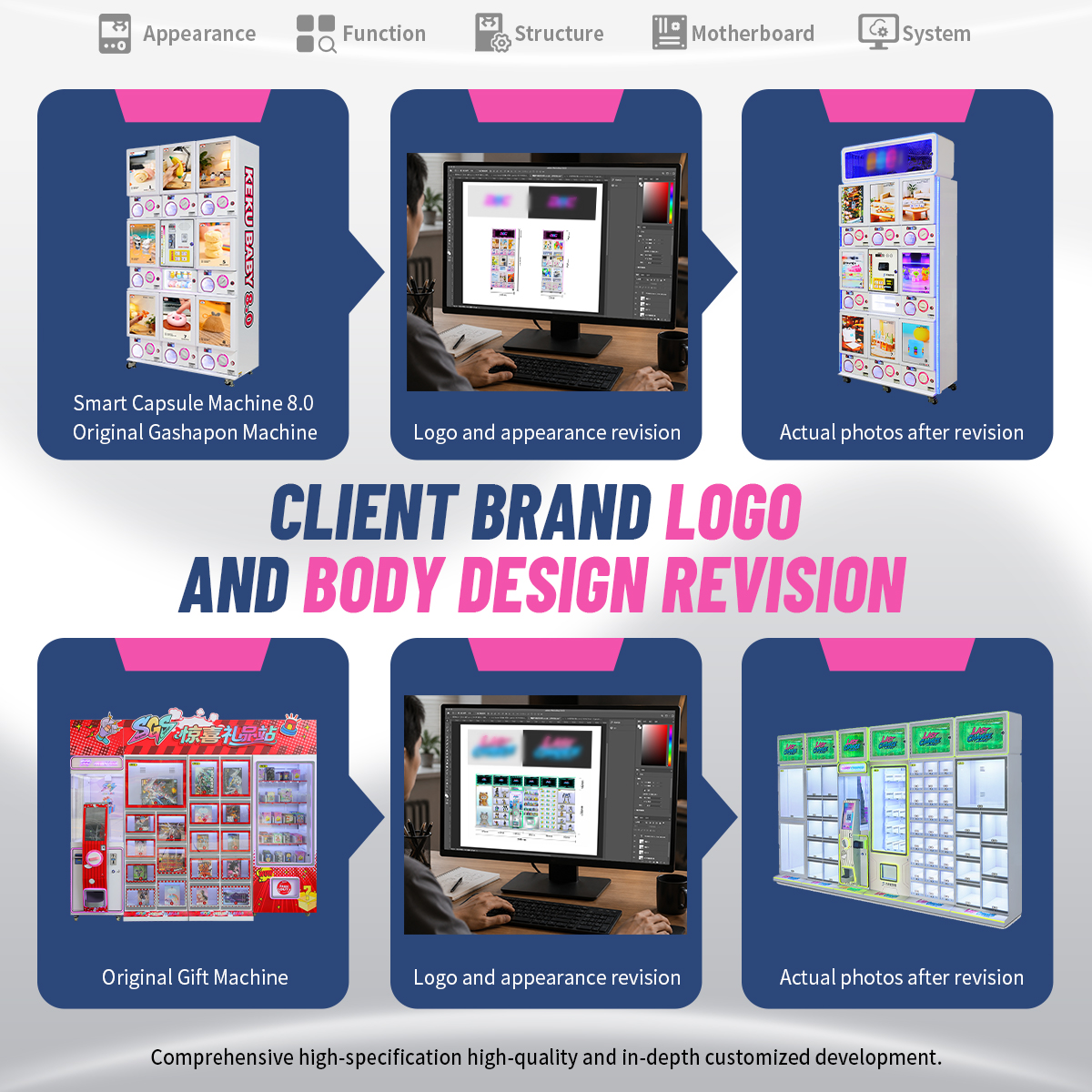
Whole process display of personalized appearance customization for gashapon machine and gift vending machine, from original model, artwork modification to finished real machine
Introduction
Technical procurement professionals and chain operators familiar with capsule vending machine hardware know that the motherboard serves as the “brain” of a smart capsule vending machine. Low-cost, off-the-shelf motherboards available on the market suffer from critical flaws such as network disconnections, data loss, inability to be managed remotely, and a lack of upgradeability. This article provides an in-depth analysis of the core technical advantages of the In-House Developed Motherboard Capsule Machine, compares it with devices adopting off-the-shelf motherboards, and helps technically savvy buyers select stable, long-term smart capsule machines.
1.Five Core Technical Advantages of Our In-House Developed Motherboard Capsule Machine, Setting It Apart from Off-the-Shelf Standard Motherboards on the Market
1.Dual-Network 4G+Wi-Fi Dual-Mode for Stable Connectivity in Remote Overseas Locations
Our In-House Developed Motherboard Capsule Machine feature a built-in dual-network signal module. In areas with poor mall Wi-Fi signals or tourist attractions without fiber-optic connectivity, the system automatically switches to 4G data, ensuring 24/7 online access for Remote Controlled Capsule Machines and real-time synchronization of revenue and inventory data.
2.Dedicated Revenue-Sharing Processing Chip: Smooth, Lag-Free Automatic Settlement Across Multi-Level Accounts
Equipped with a dedicated revenue-sharing processing chip, the system features multi-role permission management and an independently operating automatic settlement system. Transactions across multiple devices occur simultaneously without data delays, ensuring zero-error revenue-sharing reconciliation at partner locations.
3.Dedicated hardware failure detection chip for proactive hardware wear prediction
The KEKU Technology motherboard features a built-in hardware self-test chip that monitors the operational status of motors, payment modules, lights, and screens in real time. It proactively pushes inventory and fault alerts to minimize revenue loss caused by unexpected equipment downtime.
4.Low-Power Circuit Design, Reducing Standby Energy Consumption by 40%
The circuitry of our in-house developed capsule toy machine motherboard utilizes energy-saving chips, making the entire unit a low-power device. It supports long-term, 24-hour unattended operation, significantly reducing electricity costs and making it ideal for large-scale, multi-location operations of capsule toy machines overseas.
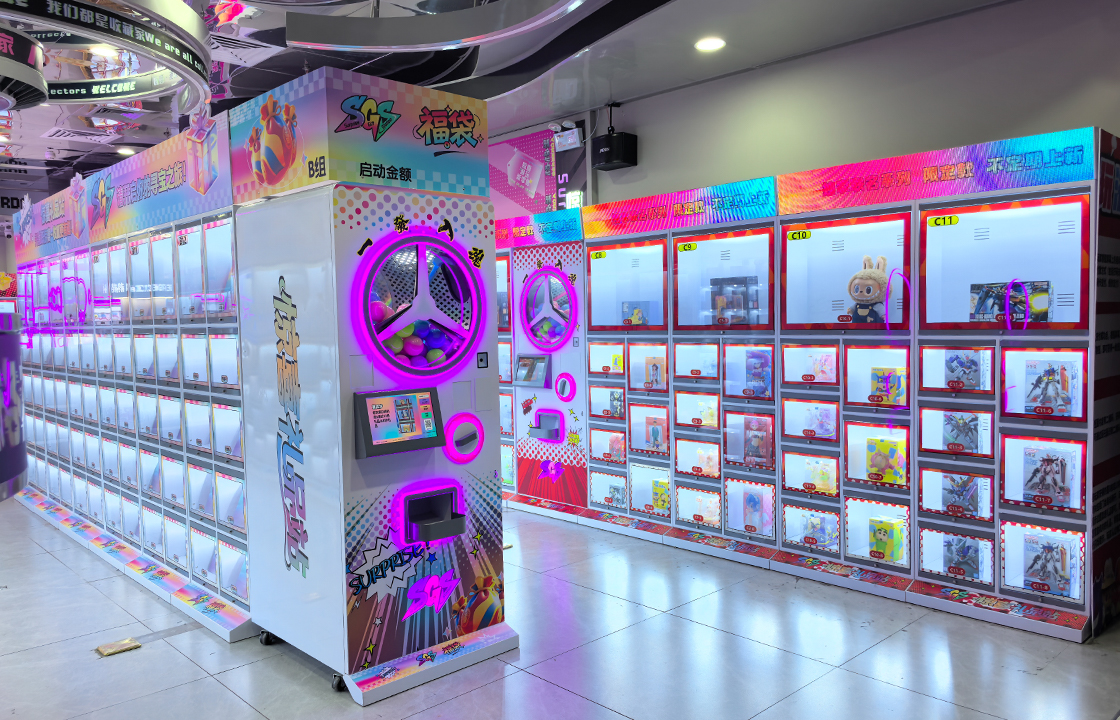
2.KEKU TECH’s in-house developed motherboard capsule toy machine supports full-featured backend updates and is upgradeable for the lifetime of the product
1.Continuous updates for online payment locking and interactive mini-games
Unlike standard motherboards with fixed, non-upgradable features, KEKU TECH’s in-house motherboard receives continuous cloud-based updates for new interactive mini-games—such as “Guess It,” “Train Game,” and “Rolling Fun”—which can be synchronized to all devices with a single click via the backend.
2.Continuously updated marketing tools, including new modules for spend-and-get-free promotions and limited-time discounts
Precision marketing tools are continuously updated, allowing merchants to remotely set up limited-time offers, spend-and-get-free promotions, and prize draws—all without the need for additional hardware or fees, thereby reducing venue operational and marketing costs.
3.Multilingual backend system, suitable for merchants worldwide
The big data backend supports switching between multiple languages, including English, Japanese, and Korean. Overseas distributors can independently perform remote account checks and parameter settings without the need for translation, enabling cross-time-zone management without language barriers.
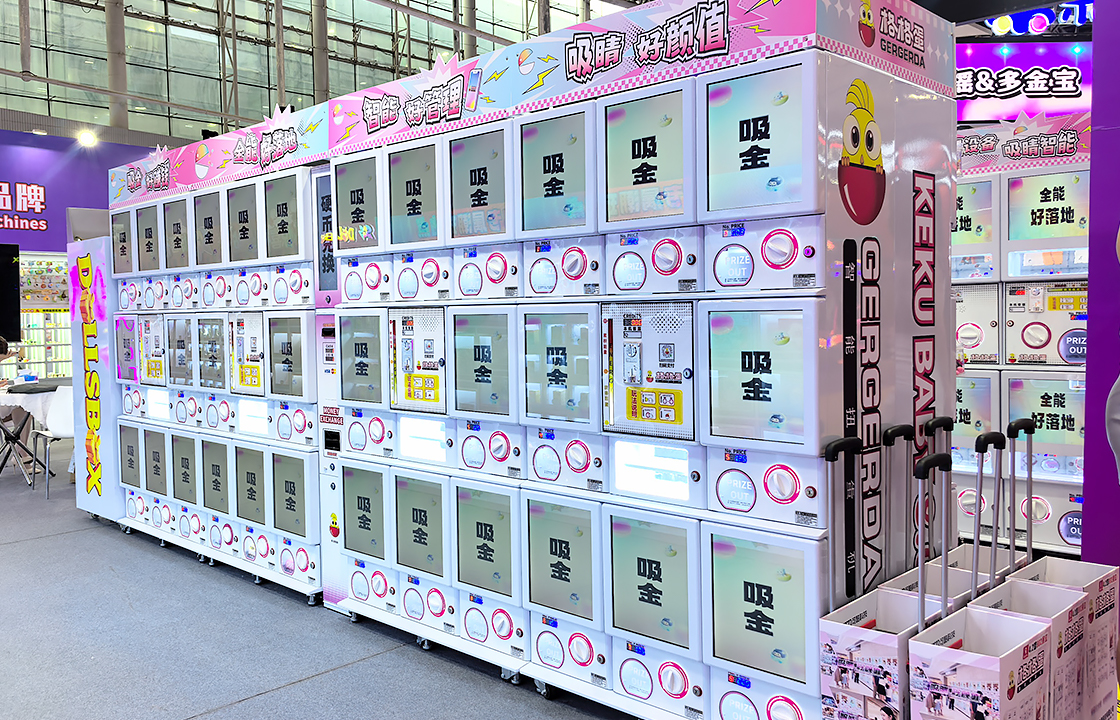
3. How to Distinguish Between Capsule Machines with In-House-Developed Motherboards and Those with Off-the-Shelf Motherboards to Avoid Pitfalls
1.Check the brand logo in the backend; off-the-shelf motherboards lack a dedicated brand system
The backend of off-the-shelf motherboards is generic with no exclusive branding, making OEM private labeling impossible. Gachapon machines with in-house-developed motherboards support brand logo replacement and allow for a customizable merchant interface, making them suitable for ODM manufacturing under your own brand.
2.Test Offline Operational Stability—Standard-Board Models Suffer Severe Data Loss When Disconnected from the Internet
When disconnected from the internet, data stored locally on standard-board motherboards is prone to loss. Cap-vending machines with in-house developed motherboards come equipped with built-in local storage chips; all transaction data is saved locally during offline periods and automatically synchronized upon reconnection, ensuring no revenue data is lost.
3.Verify warranty and upgrade services; off-the-shelf motherboards lack long-term technical support.
Suppliers of off-the-shelf motherboards only provide short-term hardware replacements and offer no system upgrade services. KEKU TECH, a direct manufacturer of capsule vending machines, offers lifetime cloud-based upgrades for its in-house developed motherboards, along with global remote technical diagnostics and guidance, ensuring comprehensive after-sales technical support.
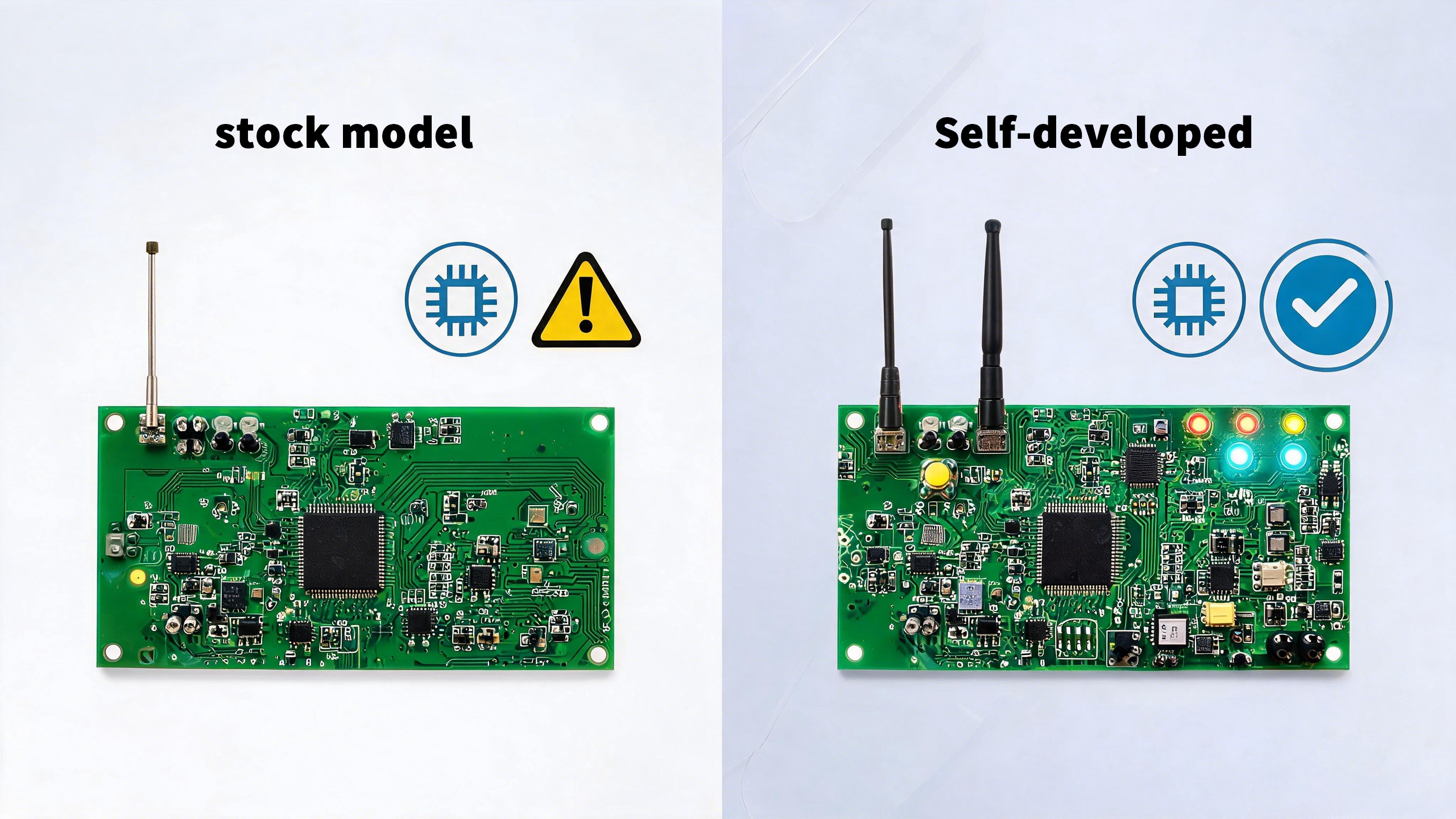
Frequently Asked Questions
1: Compared to off-the-shelf motherboards, what is the biggest difference for long-term overseas operation when using our in-house developed motherboard for capsule toy machines?
Answer: The biggest differences are stability, scalability, and operational costs. Off-the-shelf motherboards on the market have fixed functionality, limited network capabilities, and no local storage. When network fluctuations are significant at different locations, they are highly prone to data loss, network disconnections, and machine downtime. Furthermore, they cannot be updated with new game modes or marketing features, resulting in extremely high long-term operational costs. KEKU TECH’s in-house developed mainboard features 4G+Wi-Fi dual-mode connectivity, local data retention during power outages, a hardware self-test chip, and low-power circuitry, making it well-suited for complex local venue environments. It also supports lifetime iterative upgrades via the backend, ensuring more stable, cost-effective, and hassle-free long-term, large-scale operations across multiple locations.
2: For multi-location joint ventures with revenue sharing, can the in-house motherboard guarantee zero errors in reconciliation?
Answer: Yes. KEKU TECH’s in-house motherboard is equipped with a dedicated revenue-sharing processing chip that performs independent calculations for multiple accounts and multi-level agency permissions. Even with simultaneous transactions across multiple devices or high-frequency trading, there will be no data delays or discrepancies. Unlike off-the-shelf motherboards, which suffer from lag and reconciliation discrepancies due to shared processing resources, our in-house motherboard enables fully automated revenue-sharing settlement and real-time data synchronization. It is perfectly suited for overseas chain locations and multi-partner joint venture business models, ensuring zero errors in reconciliation.
3: How can you quickly determine whether a capsule toy machine uses an in-house motherboard or an off-the-shelf one to avoid pitfalls during procurement?
Answer: You can quickly identify this through three practical tests:
- Check the backend:Capsulemachines with in-house motherboards have a dedicated branded backend that supports logo branding and OEM customization, while off-the-shelf models lack an independent branded system.
- Test offline mode:After disconnecting from the network and restarting the machine, off-the-shelf motherboards are prone to losing transaction and inventory data, while machines with in-house motherboards feature built-in local storage and automatically sync all data when reconnected.
- Inquire about service: In-house motherboards offer lifetime system upgrades and global remote technical diagnostics, whereas off-the-shelf motherboards provide only short-term hardware warranties with no feature updates or long-term technical support.
